TL;DR: Indian design has gone flat: homogenised until it no longer speaks to the place it comes from. To address the root of this, I researched Indian Science Fiction and created a framework which expands Science Fiction stories into worlds designers can inhabit through briefs. By answering these briefs, designers can practise their craft while also adding to the sparse Indian Speculative Design canon. I tested the framework with five designers.
How can the latent design logics within Indian Science Fiction be formalised into a critical methodology for reimagining the practice, pedagogy, and purpose of design, generating culturally coherent alternatives to its global, homogenised present?
Asked as five subquestions
How does design manifest within each selected narrative — through what objects, interfaces or systems, and what do they imply about the world?
→ Story analysisAsked as five subquestions
How does design manifest within each selected narrative — through what objects, interfaces or systems, and what do they imply about the world?
→ Story analysisWhat new forms of designer agency and expertise are required for this world to function?
→ Profile makingHow can a functional design brief be generated from within this world logic, using its constraints as creative parameters?
→ Brief makingHow can the core proposition of such a brief be materialised through prototype or scenario?
→ PrototypeWhat does this process reveal about current design frameworks and the potential for culturally specific practices?
→ Reflection01
Expand a science fiction story into a world
02
Profile the kinds of designers that world would produce
03
Write a brief from inside the world’s logic
04
Designers answer these briefs
Chapter 1SF + SCD
Chapter 2Three story worlds
Chapter 3Ontological design
Chapter 4Designer as diagnostic
Chapter 5Diegetic briefmaking
Testing
Chapter 6Framework
Chapter 7Conclusion
ResearchNarrative
Each was assigned a world to fit their practice, then picked their own brief from inside it.
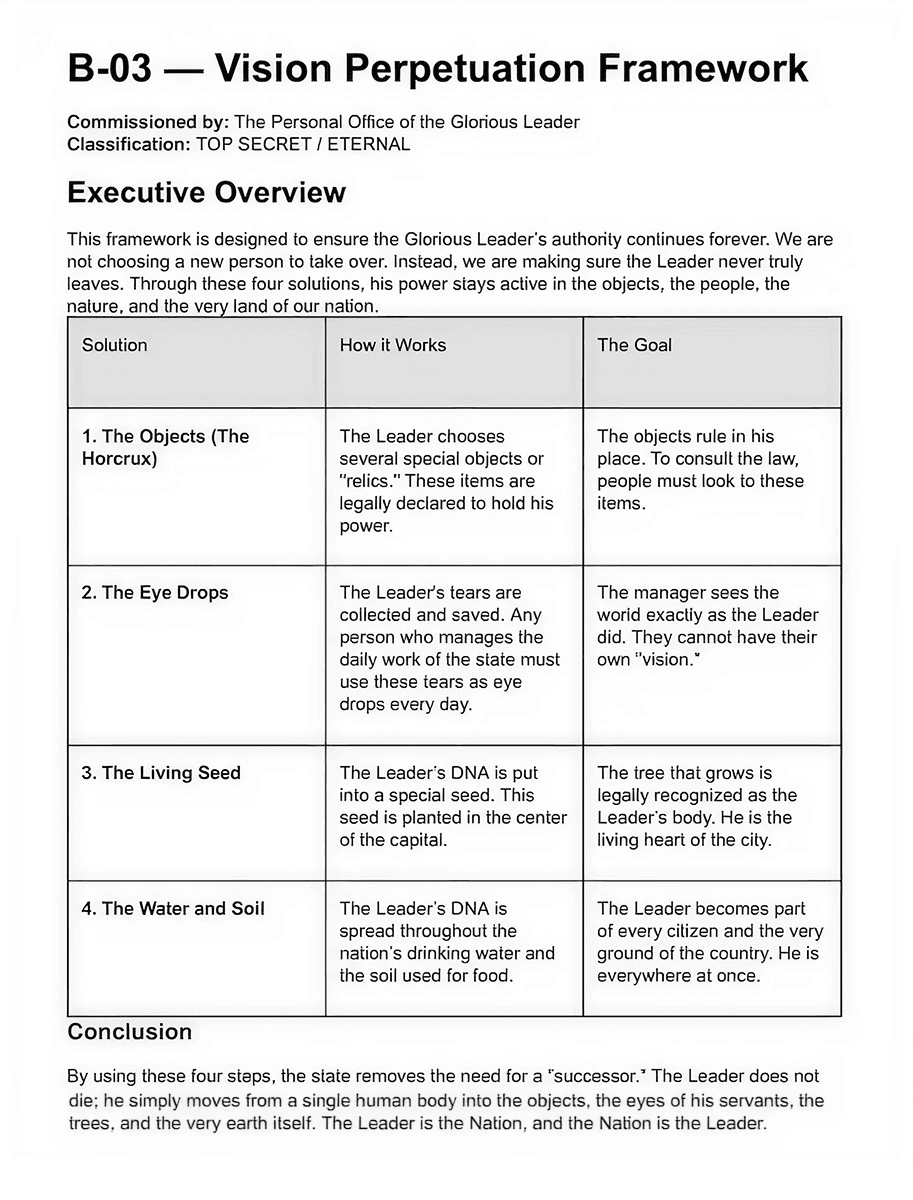
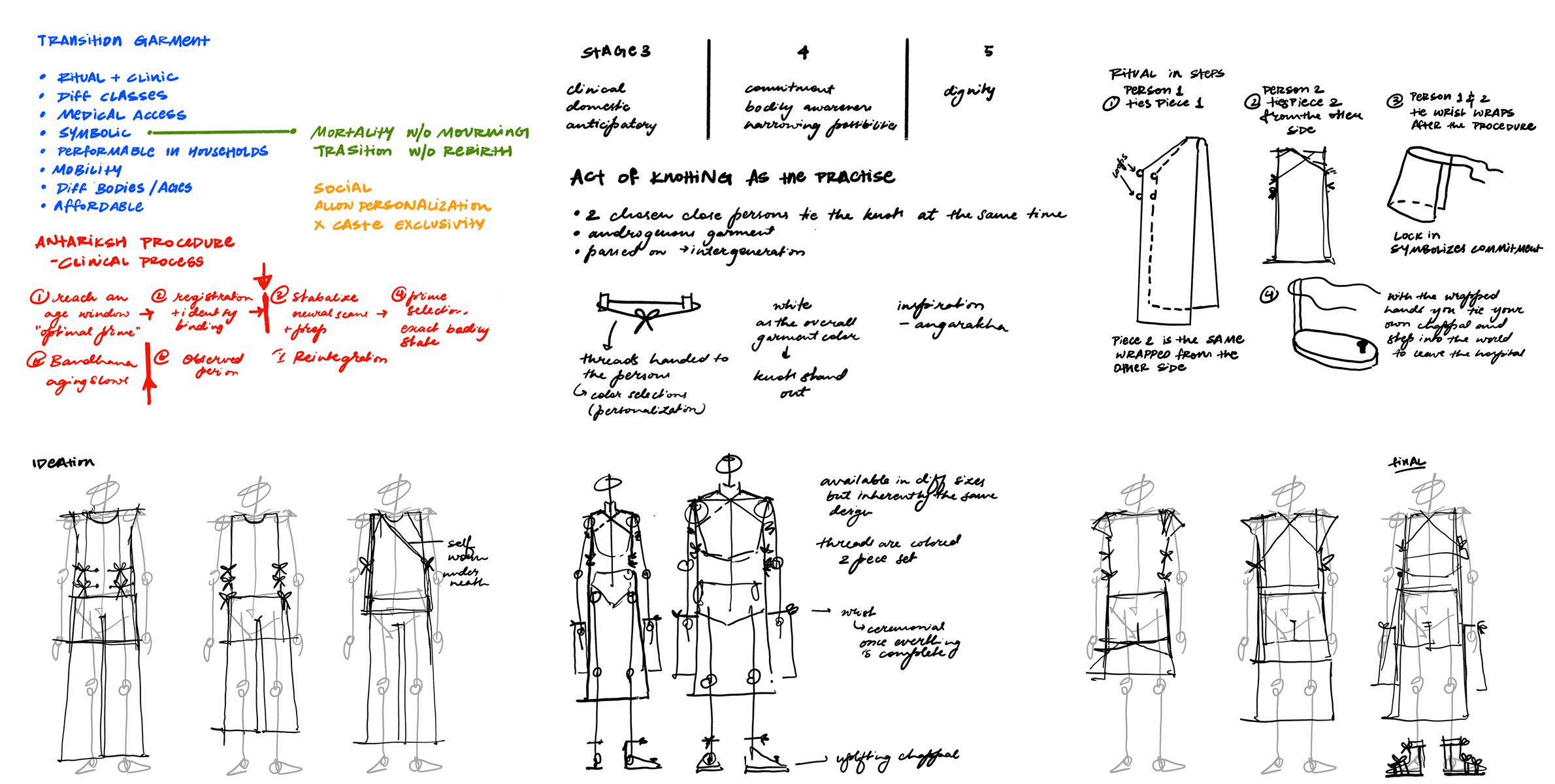
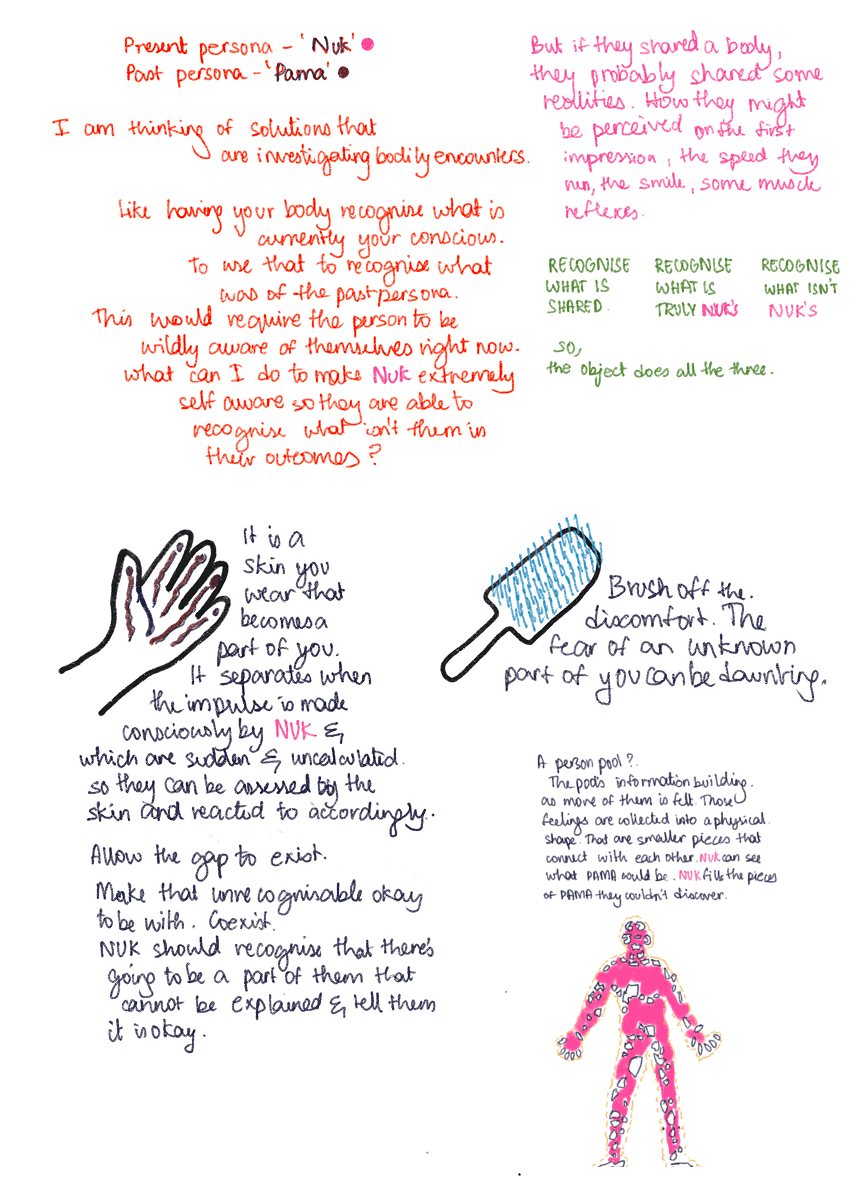
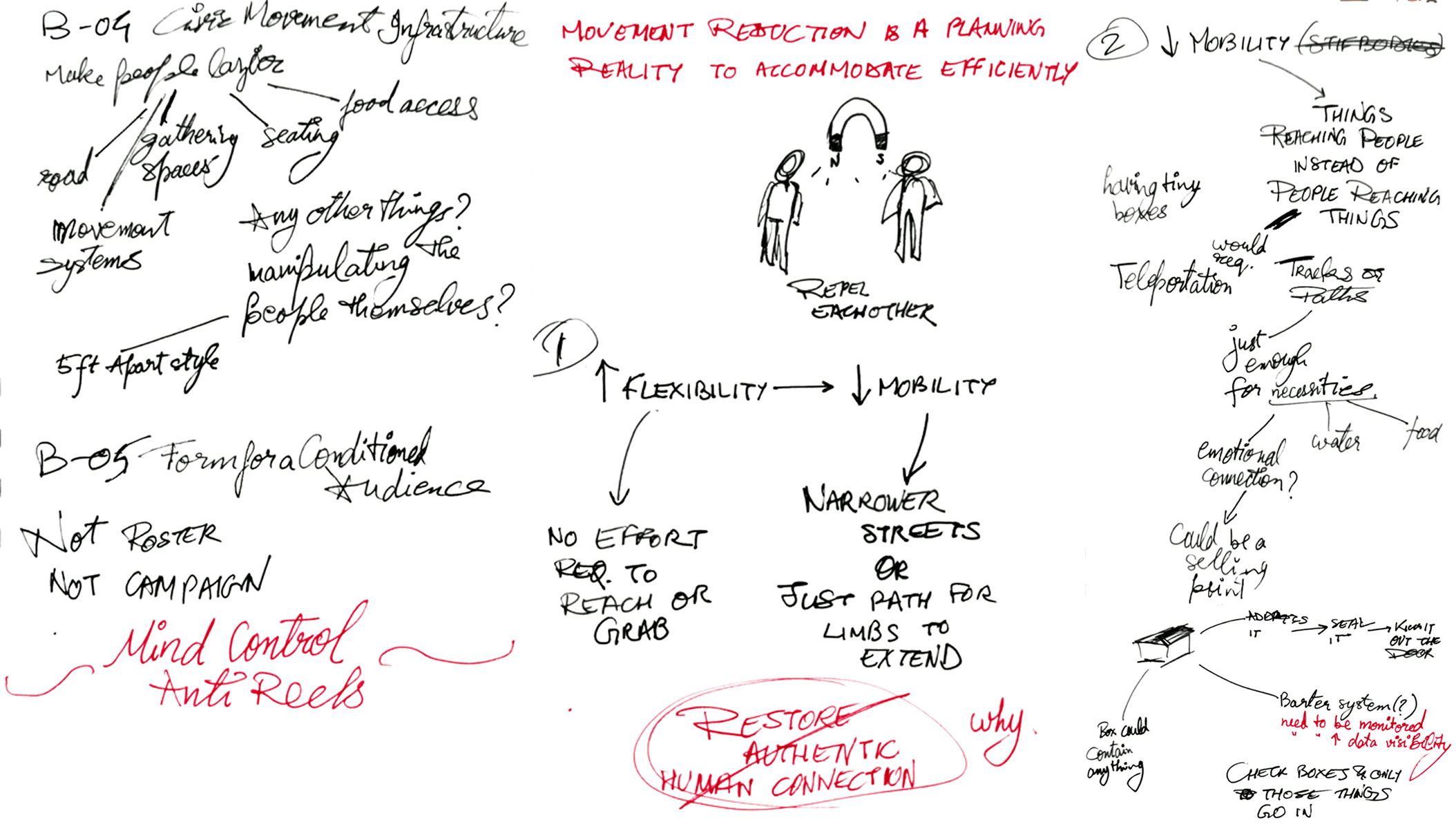
practising designers, 4th and 5th year
story worlds, assigned by practitioner fit
to conclusion, against 3h projected
Splitting big briefs worked for everyone
Fun beat fidelity
Cognitive load ran higher than expected
A small preview — the first 8 spreads. Download the document to see more.
The opening spreads. Download the document to read on.
Download the full thesis document to read more.
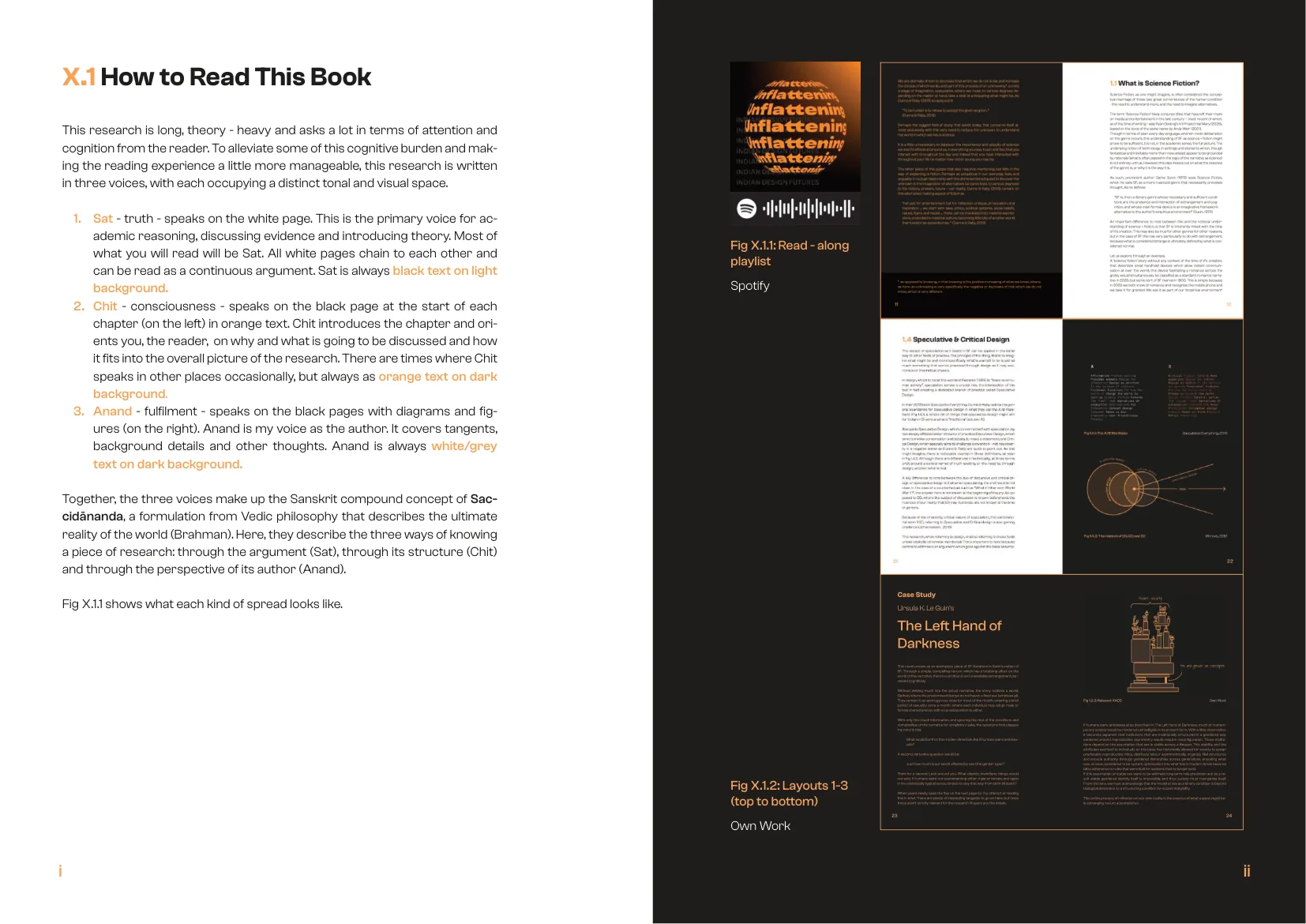
How to Read This Booki–ii
Drag a page to turn · ← → also work
The case for an Indian canon
There is no body of Indian speculative design work yet. Three worlds don’t make one, but they make the case that one is buildable.
A method others can run
Five designers ran it in an hour and a half, against three projected. Its scores keep it working without me in the room.
A live platform to practise on
Three worlds, online and free. The platform itself is not yet tested.
Status Thesis · graded O (5/5) · framework tested, platform not yet
Autoplaying
Ishani’s test session in Shit Flower, replayed through the platform — her answers as she wrote them.
The preview is a desktop panel; open this page on a larger screen to play it.